Getting the most out of your photographer
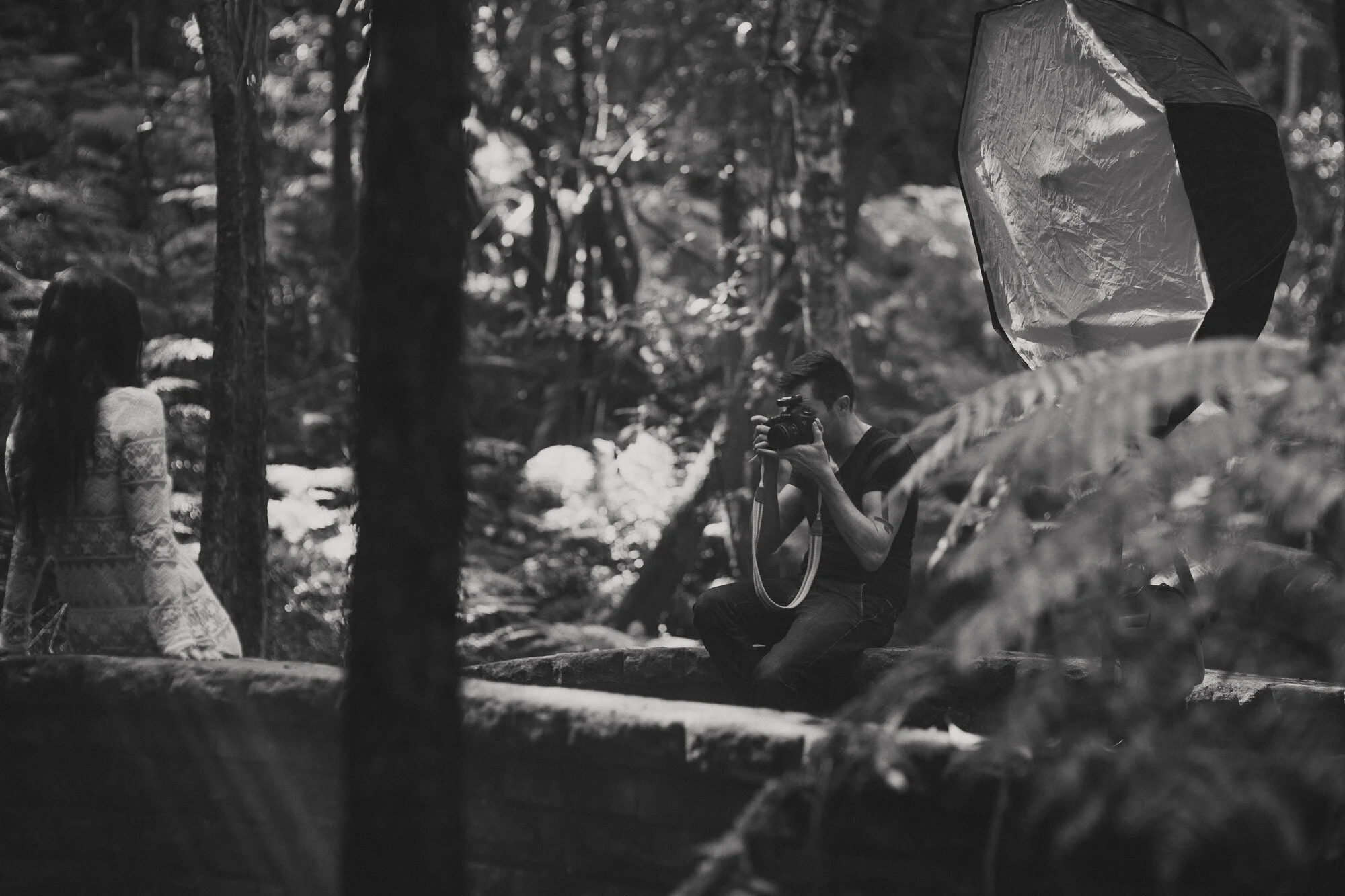
Creating a commercial photograph is a team effort. Everyone from the client, stylist, assistant art director and photographer play a part in the final outcome. As a professional photographer we have to wear a couple of hats namely a technical, artistic ones. The technical side of getting an image onto a screen of print basically breaks down into the following:
Colour management between the lighting, camera, monitors and printers.
Technical aspect of camera and lens choices.
Technical lighting using strobes, natural lighting or continuous lighting.
Data management and image conversion to final output or editing.
The technical side of the software integration.
There is also the artistic side of it which triples the bag of worms that a normal shoot can throw at a photographer and the team.
Styling, colour pallet, texturing and the use of hard or soft lighting to create the photo that you are looking to produce are just the surface of some of the artistic choices we have to juggle along with the technical side. Having more options is a negative. The best artistic inspiration comes from having a lot of constraints. As a client it helps creates better product by limiting the choices a team can make. It feels counter intuitive to limit ourselves but this is really where the magic happens.
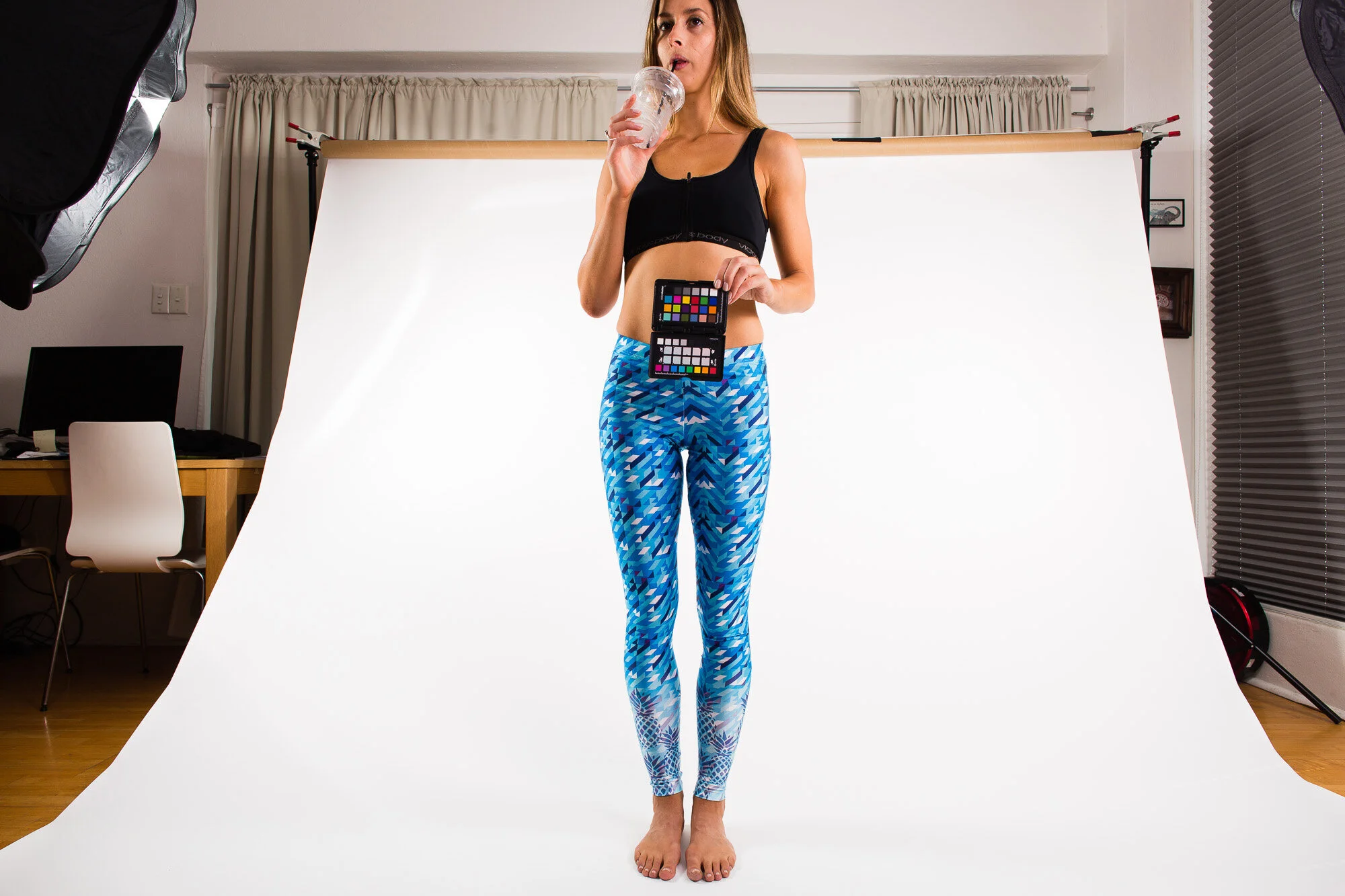
There are a coupe of things that you can do to help the process along and make it easier on yourself.
From before the first contact with the photographer you should write out a list of a couple key items to give us a brief we will love to work with.
What style of image are your wanting? Bright and airy or dark and moody. A product style shoot or something that looks like a lifestyle image. Creating a mood board of images you like and are similar is a great way to solidify it in your mind and it helps us the photographer to know what you are wanting.
How many images are you needing? Wanting a huge catalog of photos is on the surface seems like a great idea but if you only need a single image for a magazine, website or even a single headshot then this will help reduce your costs significantly. A product shoot may only need one final image but an editorial shoot showing a product lifestyle would end up with 10 - 15 final images. Be realistic as to how many you will actually use. Keeping you images fresh and up to date through the year will keep your customers engaged more than a stream of similar images.
Is there a photo orientation that is needed? A portrait layout image works great for a full page magazine and a landscape image for books. 1:1 for instagram or social media. Websites are constantly a mix of all of them. Your graphic designer may have a specific image and layout in mind so check with them for what they are looking to produce.
Will there need to be space left for text? Advertising often includes a full page layout with text over the subject. Does the photographer need to leave negative space in the image for this or even include a prop or foreground element to use under text.
What is your budget? Have a realistic idea of budget based on the amount of work you are asking from the photographer. Every hour on site shooting requires about 1 – 2 hours additional post-production work. If you do have budget constraints be sure to tell the photographer up front as we may be able to work out more cost effective ways of achieving your desired goals. Consider utilising the photographer’s experience and creativity in the early stages of your project. They can add creativity and help develop a concept or shot list for your marketing requirements.
Are there special or unusual requirements? Does the project need to take place on a specific date or time? Do we need to hire additional equipment or models or props. Speak to the photographer about these requirements. They may necessitate a certain amount of pre-production, or simply sufficient lead time. If you are unsure, the photographer can help you determine accurate deadlines for your project. Involving your photographer early will greatly enhance the outcome of your project.
A good Professional Photographer will be able to make recommendations and suggest better ways communicate your business to your clients.
Oh and keep a constant supply of coffee coming. Thats probably the most important one.